Kanjiru ichigo ichie for Mind and Body
~Kyoto・Kanazawa~
Flyers
Overview
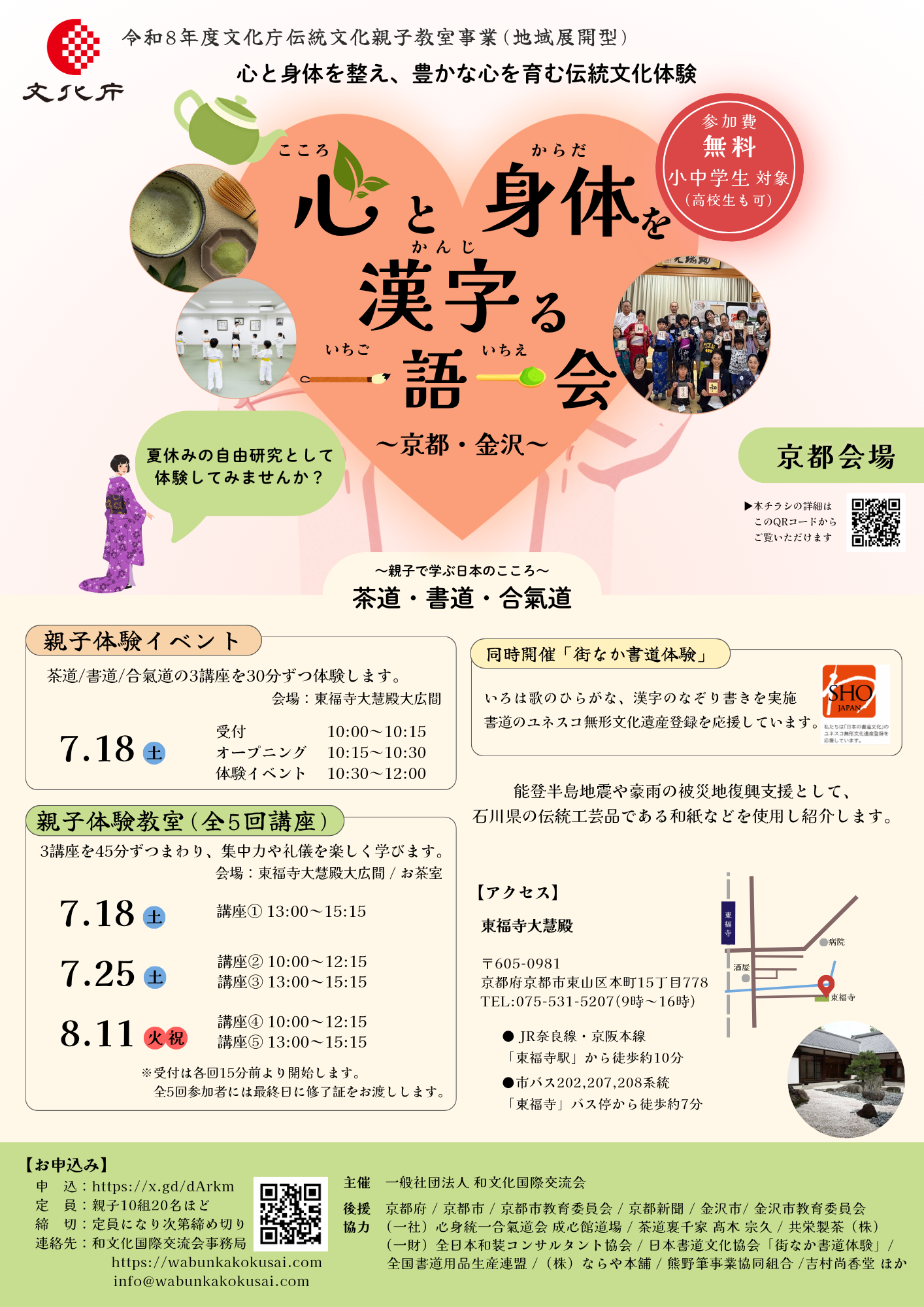
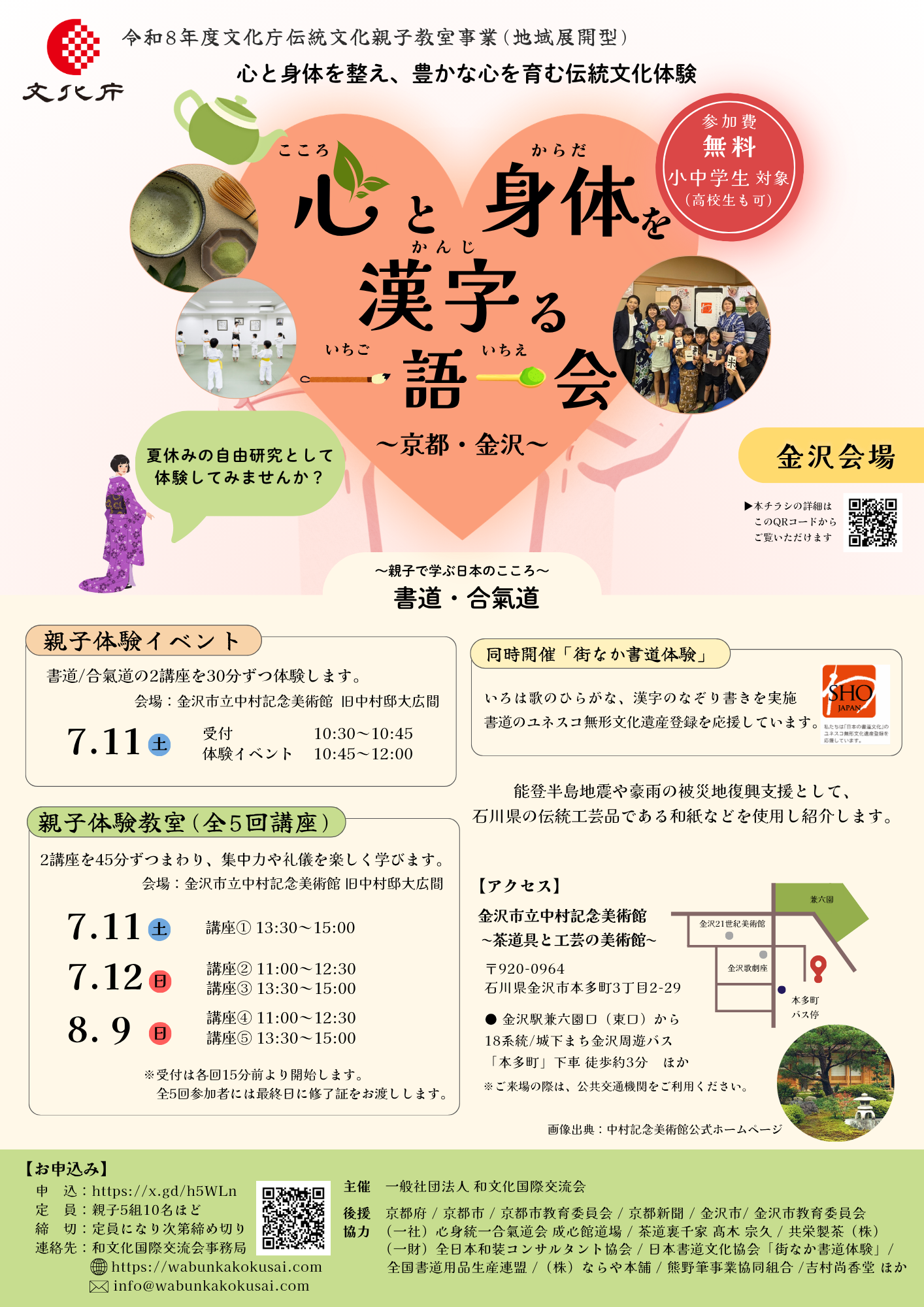
Name of the event
Agency for Cultural Affairs traditional culture parent-child class project (regional development type)
Kanjiru ichigo ichie for Mind and Body ~Kyoto・Kanazawa~
Dates
Kyoto: July 18, July 25, August 11, 2026
Kanazawa: July 11, July 12, August 9, 2026
Place
Tofukuji Temple, Daieiden Grand Hall and Tea Room
Kanazawa:Kanazawa Nakamura Memorial Museum, Former Nakamura Residence, 2nd-floor Grand Hall
Organized by
Wa Culture International Communication
Supported by
Kyoto Prefecture / Kyoto City / Kyoto City Board of Education / The Kyoto Shimbun / Kanazawa City / Kanazawa City Board of Education
Simultaneous Event
“Calligraphy Experience in the City” (in cooperation with Japan Shodo Culture Association)
Cooperation by
Shinshin Toitsu Aikido Association / Urasenke, Takagi Sōkyū / Kyoeicha Co., Ltd. / All Japan Waso Consultant Association / Japan Shodo Culture Association “Calligraphy Experience in the City”/ Japan Calligraphy Supplies Association / Naraya Honpo Co., Ltd. / Kumano Brush Cooperative Association / Yoshimura Shokodo, and others
Kyoto Venue
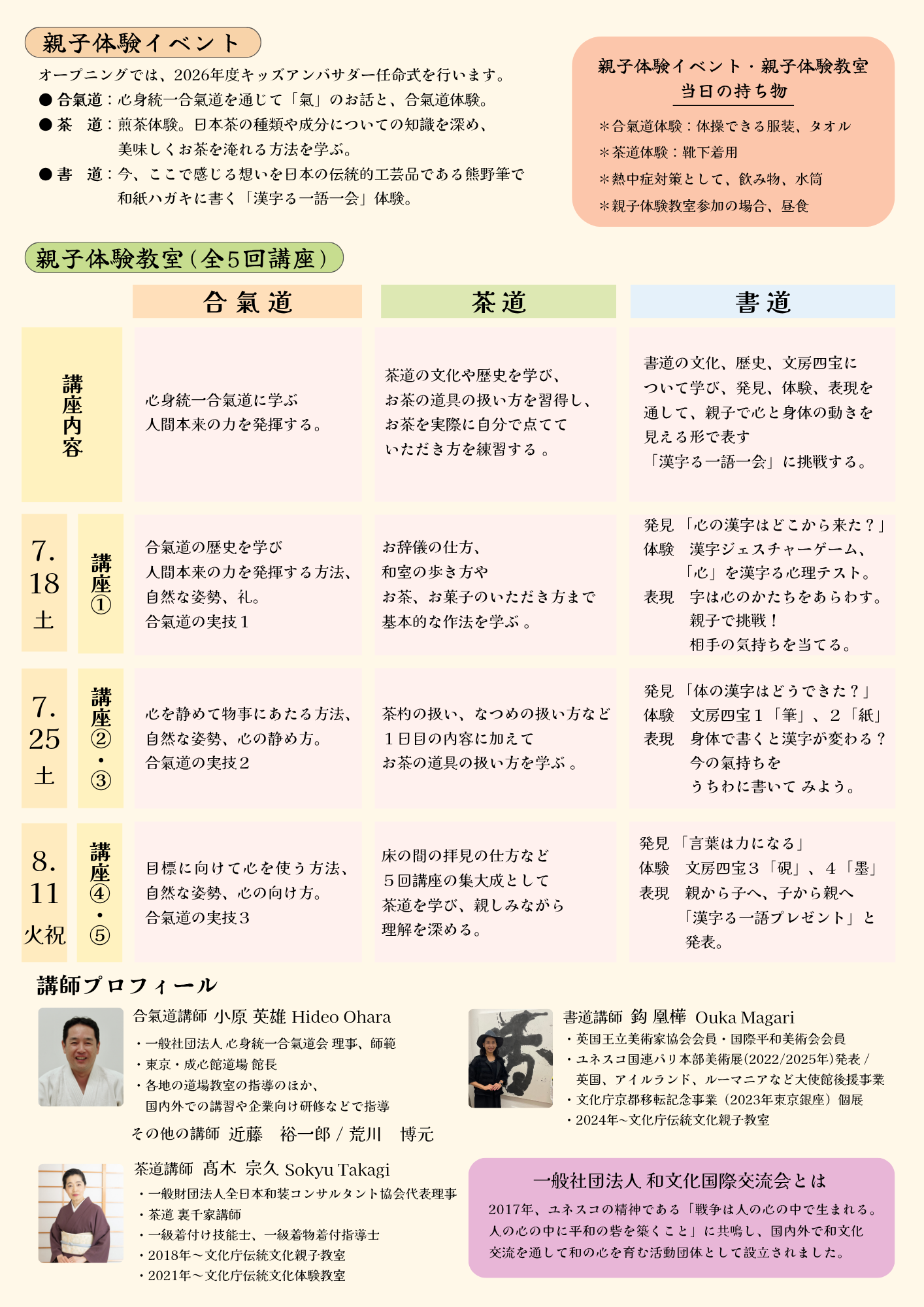
Lecturers
Aikido: Hideo Ohara / Yuichiro Kondo / Hiromoto Arakawa, and others
Tea Ceremony:Takagi Sōkyū, and others
Calligraphy: Ouka Magari, and others
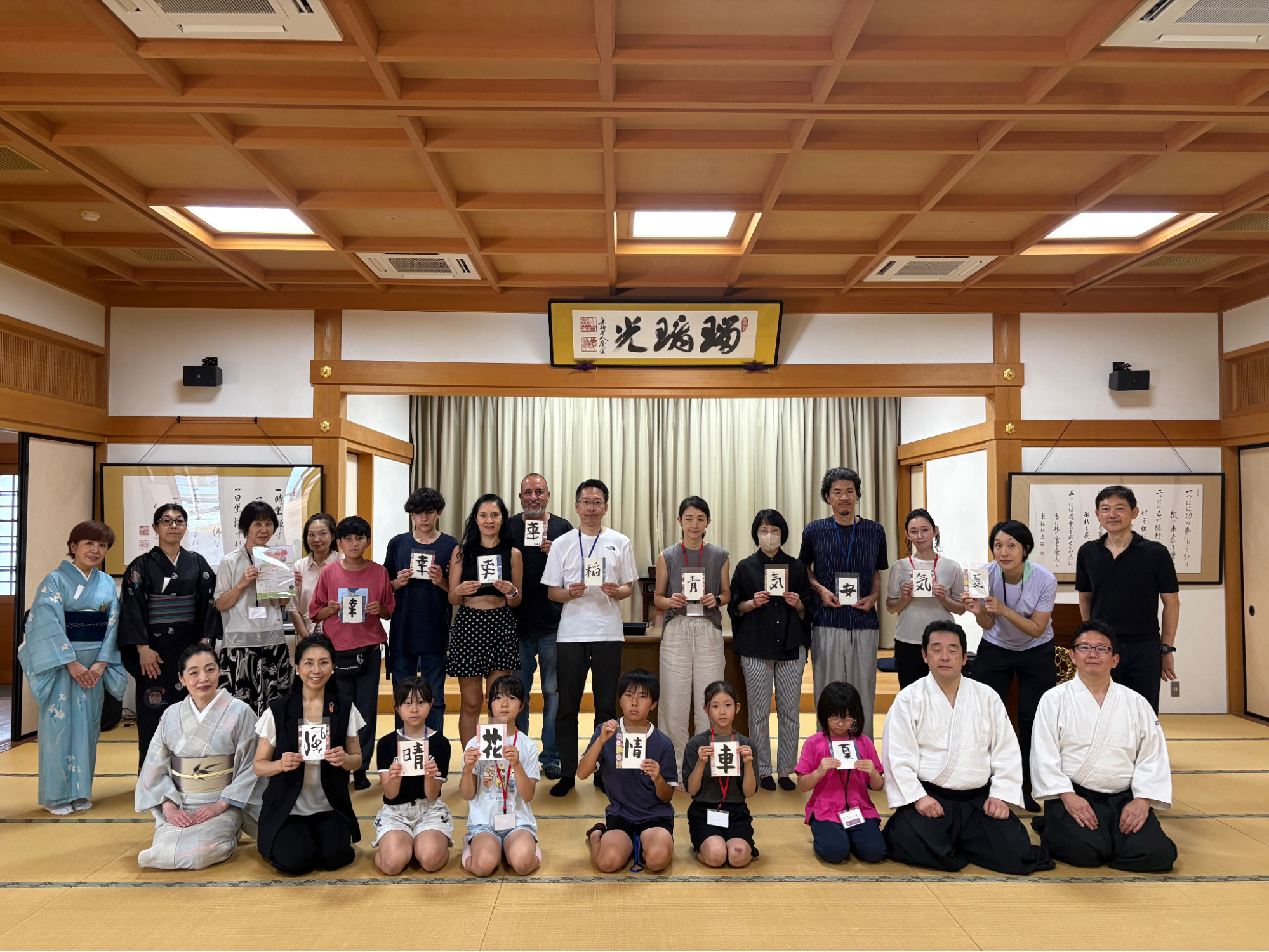
At the parent-child experience event held at Tofukuji Temple's Daieiden Grand Hall on July 18, the opening ceremony included the appointment ceremony for the 2026 Kids Ambassadors.
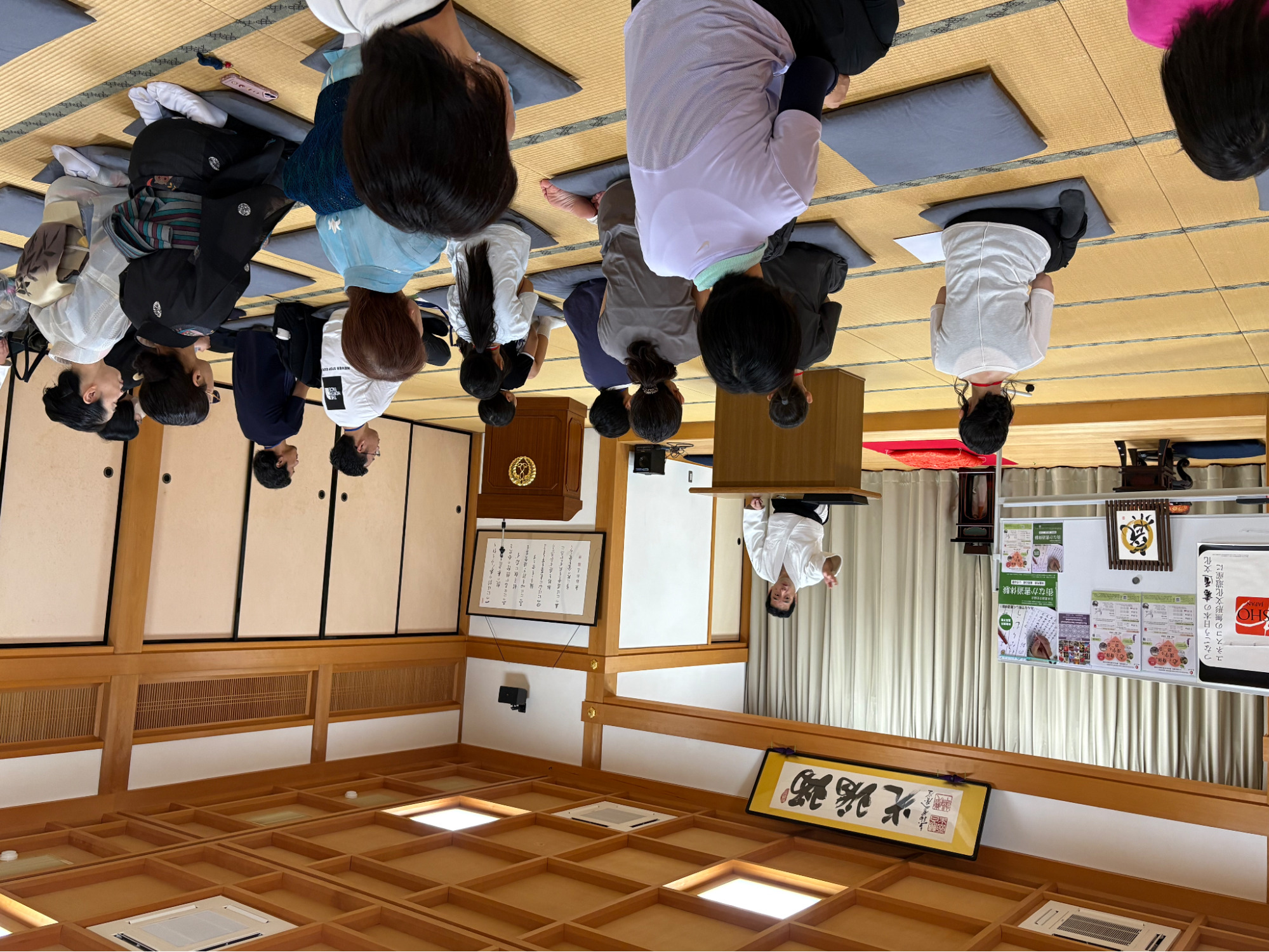
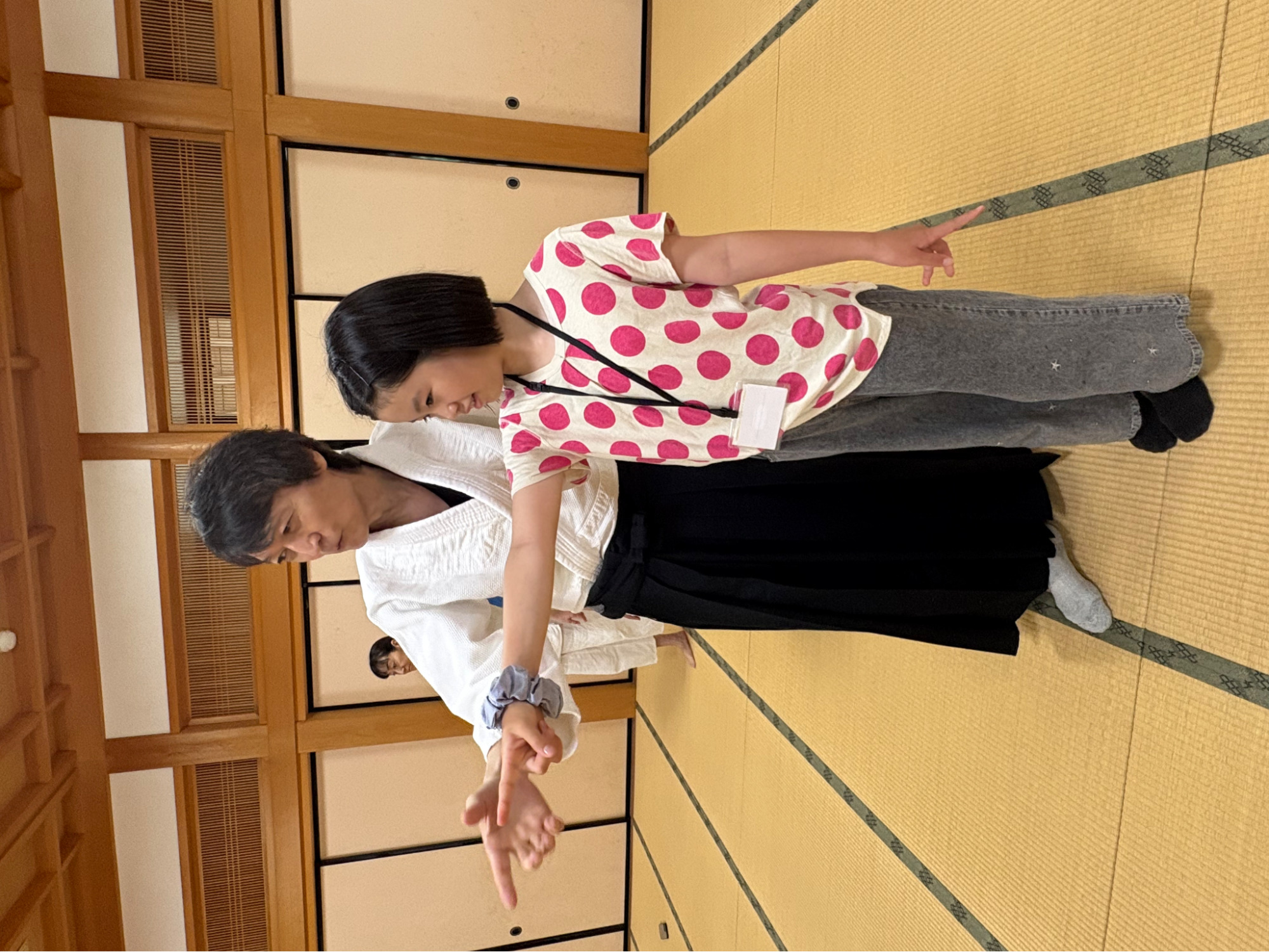
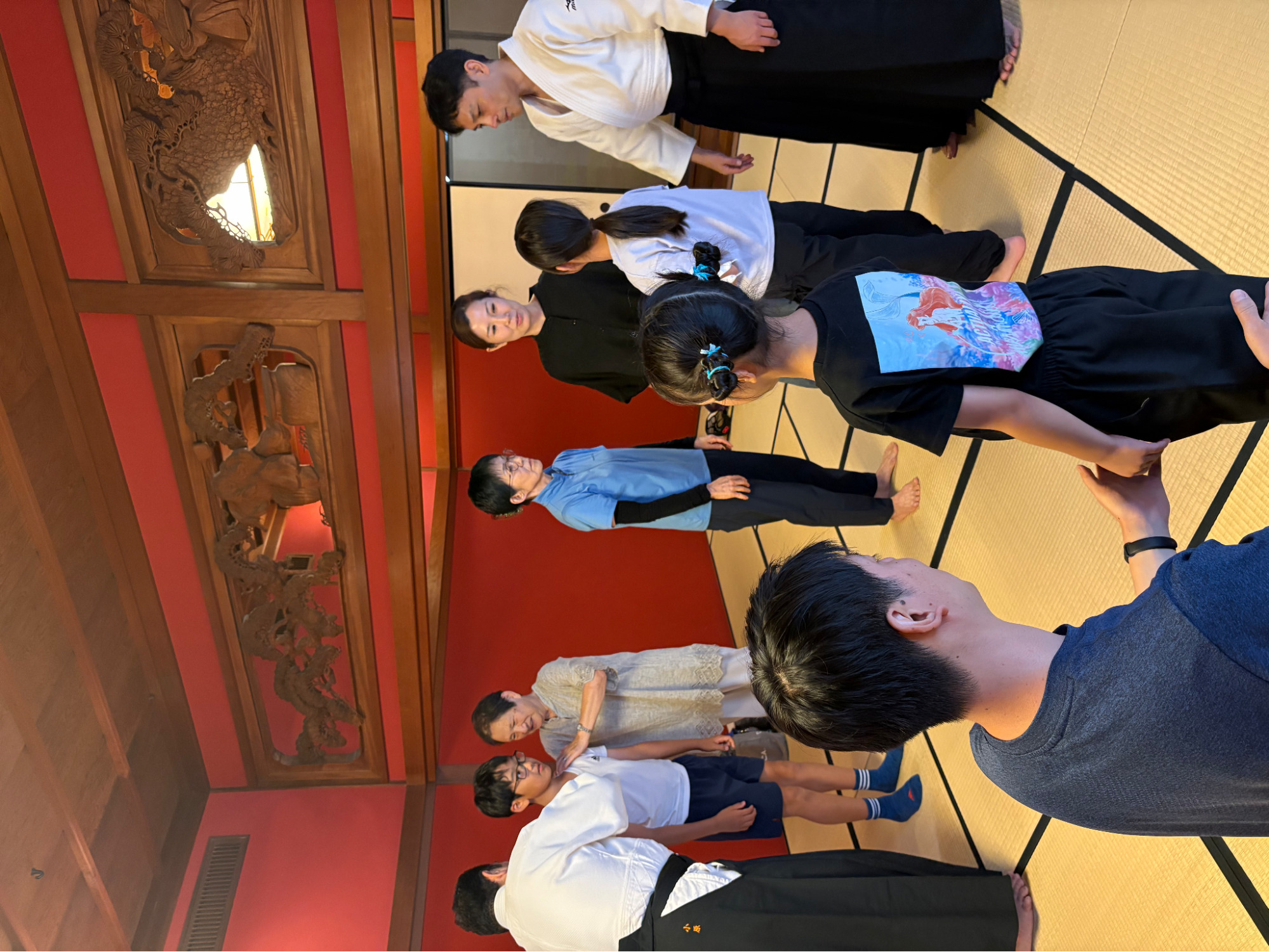
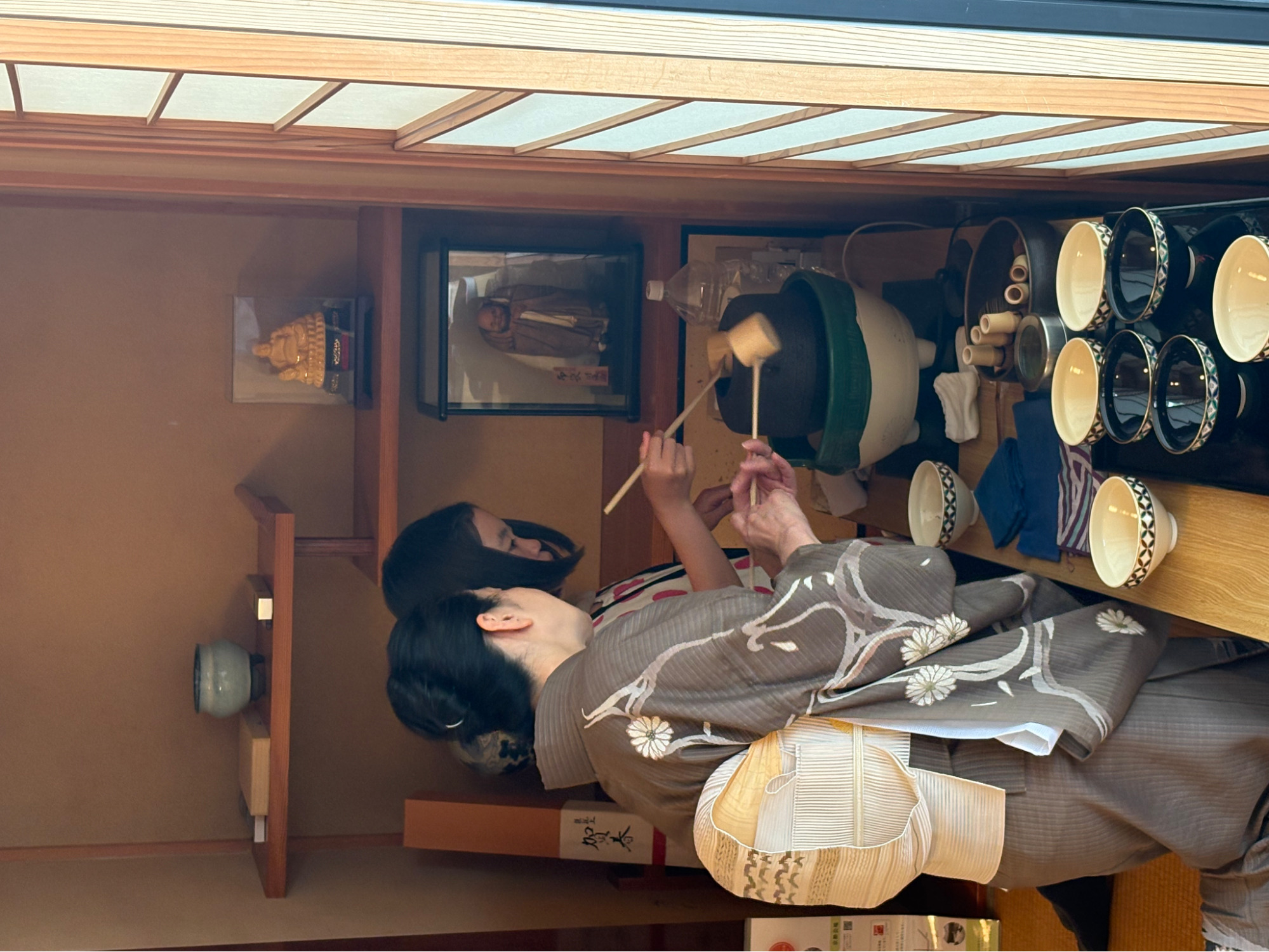
After that, through Shinshin Toitsu Aikido with the Aikido instructors, participants learned about “Ki” (氣) and experienced three 30-minute classes in Aikido, tea ceremony, and calligraphy.
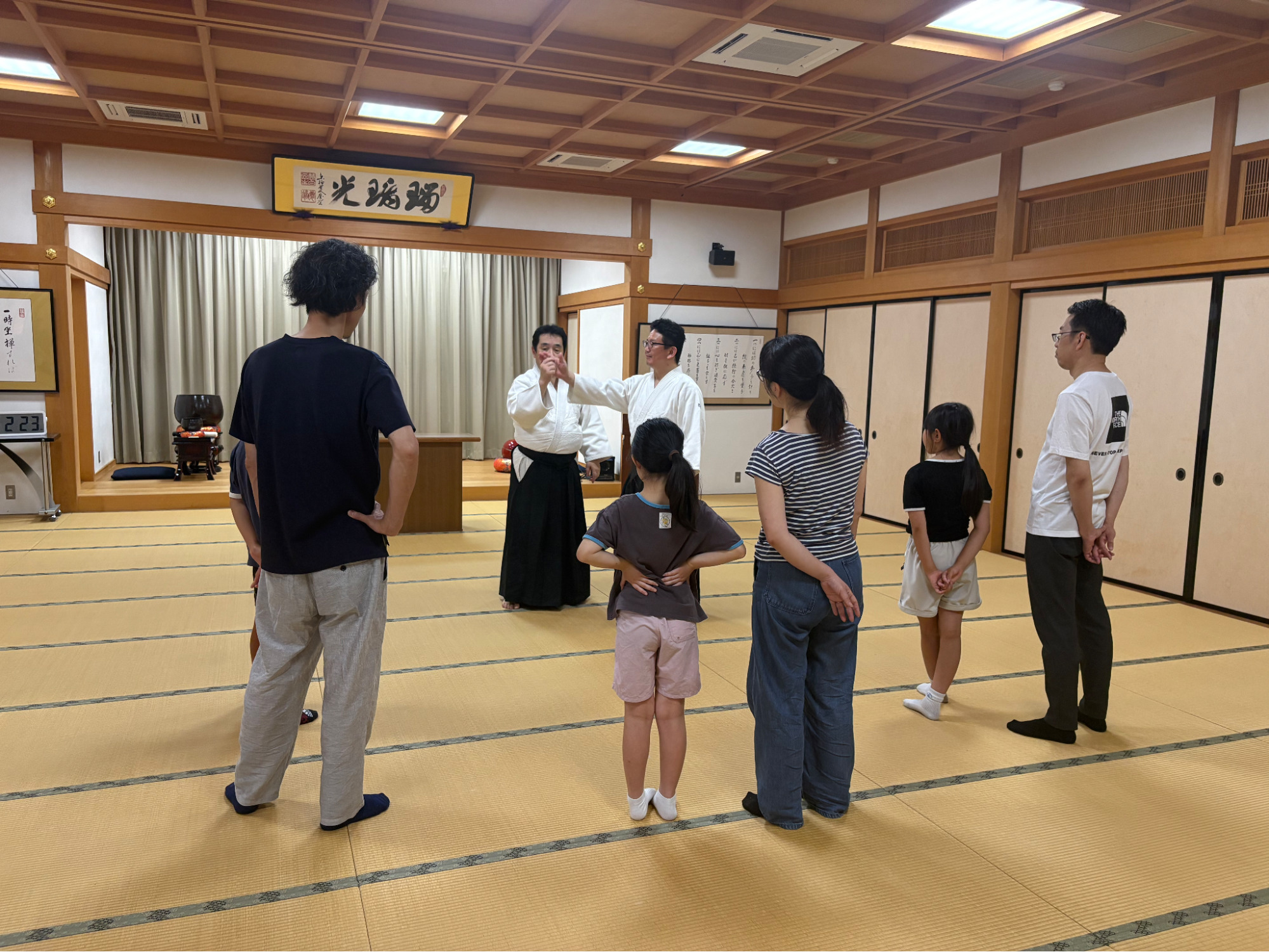
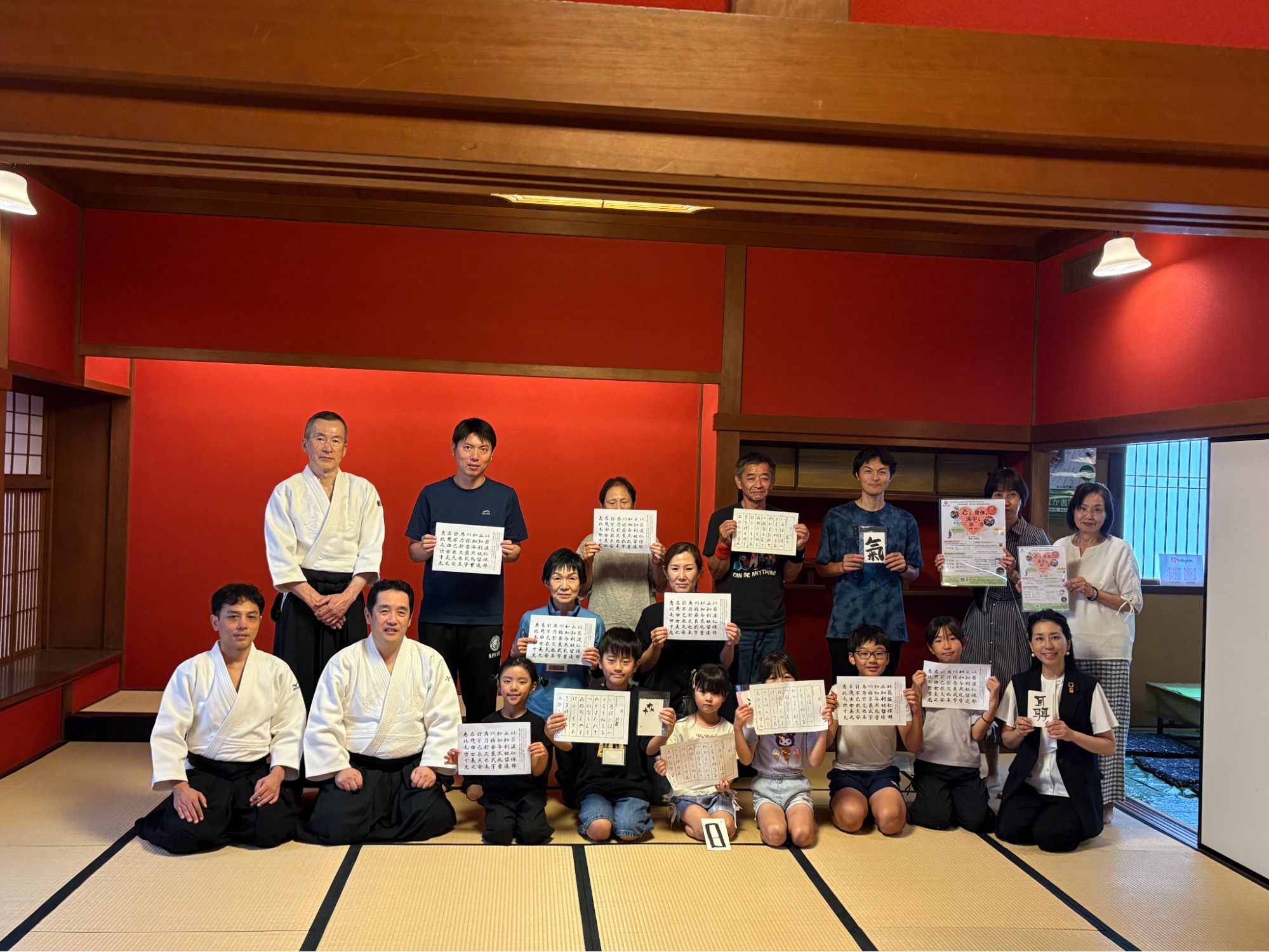
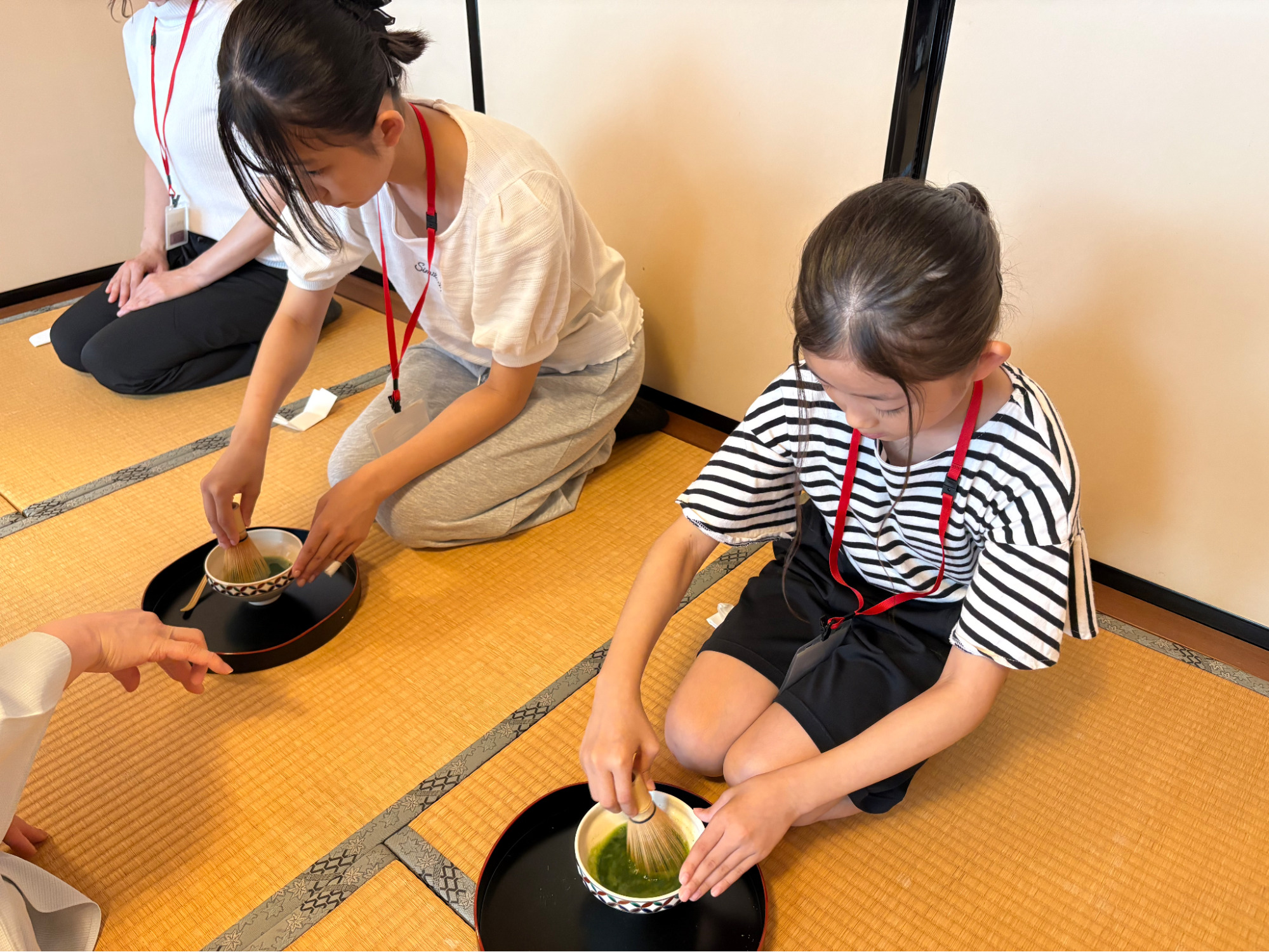
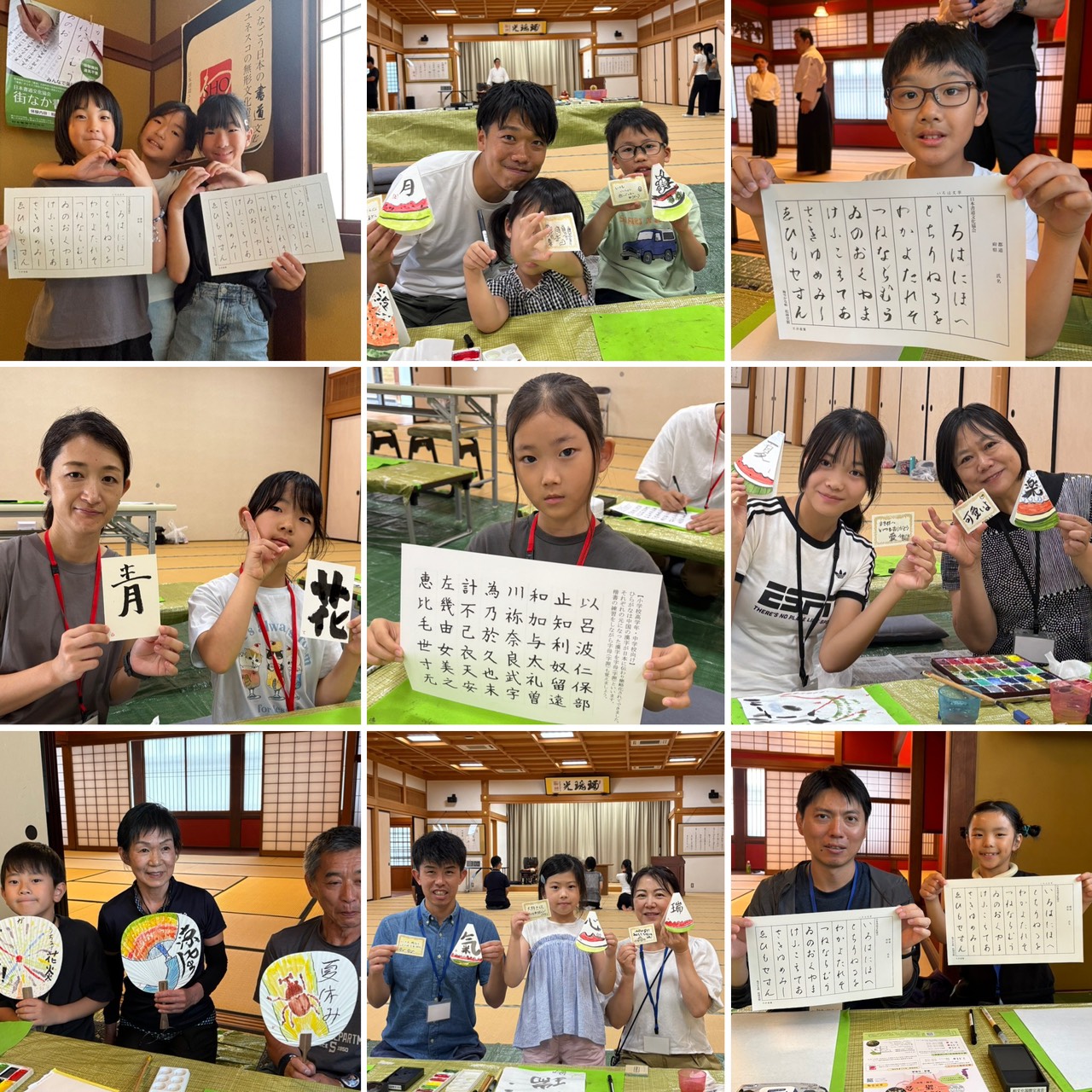
In Aikido, participants learned about the posture necessary to bring out the natural power of the human body. In the tea class, through a sencha tea experience, they deepened their knowledge of the types and components of Japanese tea and learned how to make delicious tea. In calligraphy, participants experienced “Kanjiru Ichigo Ichie,” writing what they felt at that very moment and in that very place on a Japanese washi postcard using a Kumano brush, a traditional Japanese craft.
The parent-child experience classroom, consisting of five sessions, was held over three days: July 18, July 25, and August 11. At each session, participants rotated through three 45-minute classes and enjoyed learning concentration and etiquette.
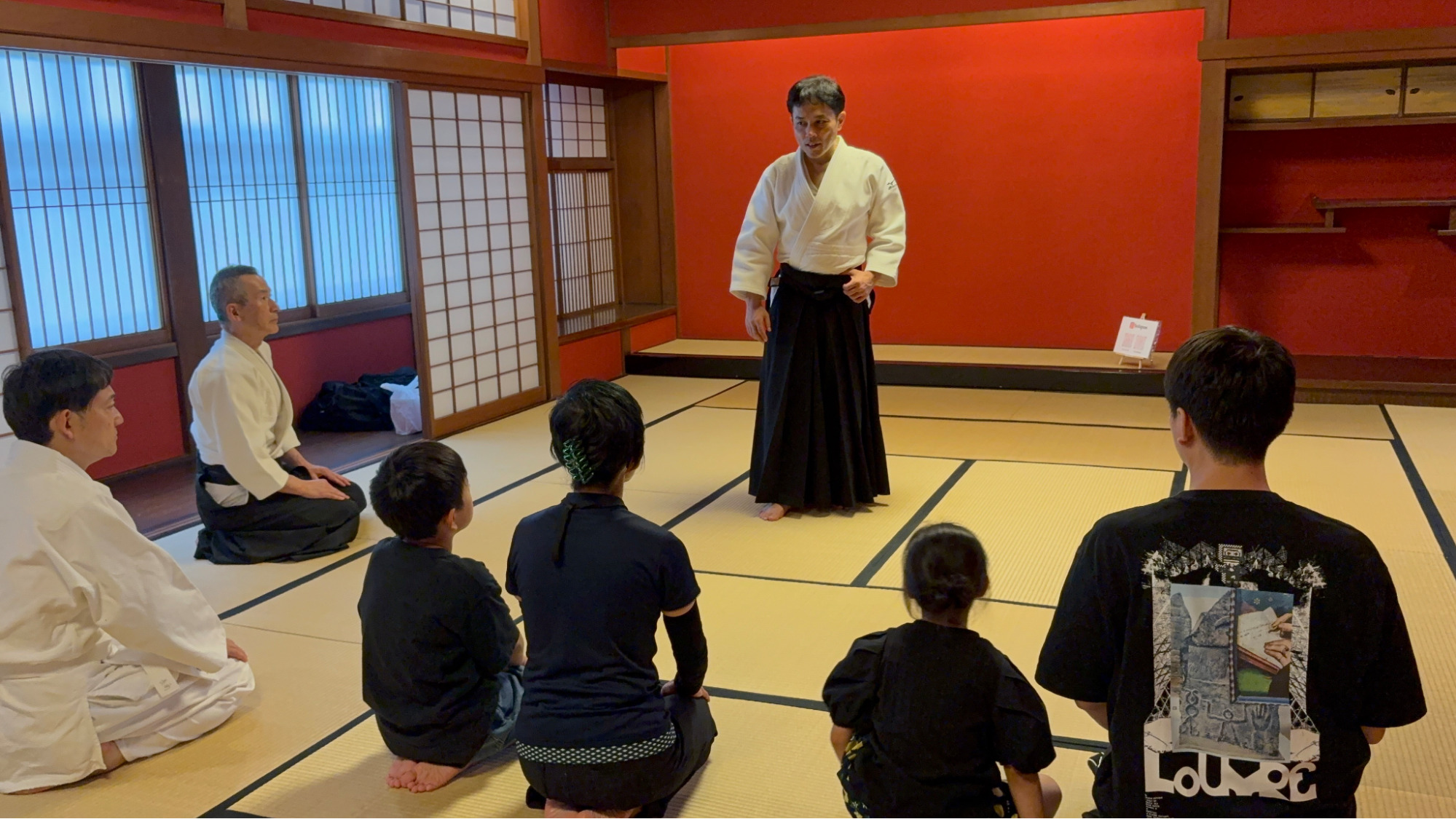
In Aikido, participants learned about its history and practiced how to calm the mind and approach things, as well as how to use the mind toward their goals.
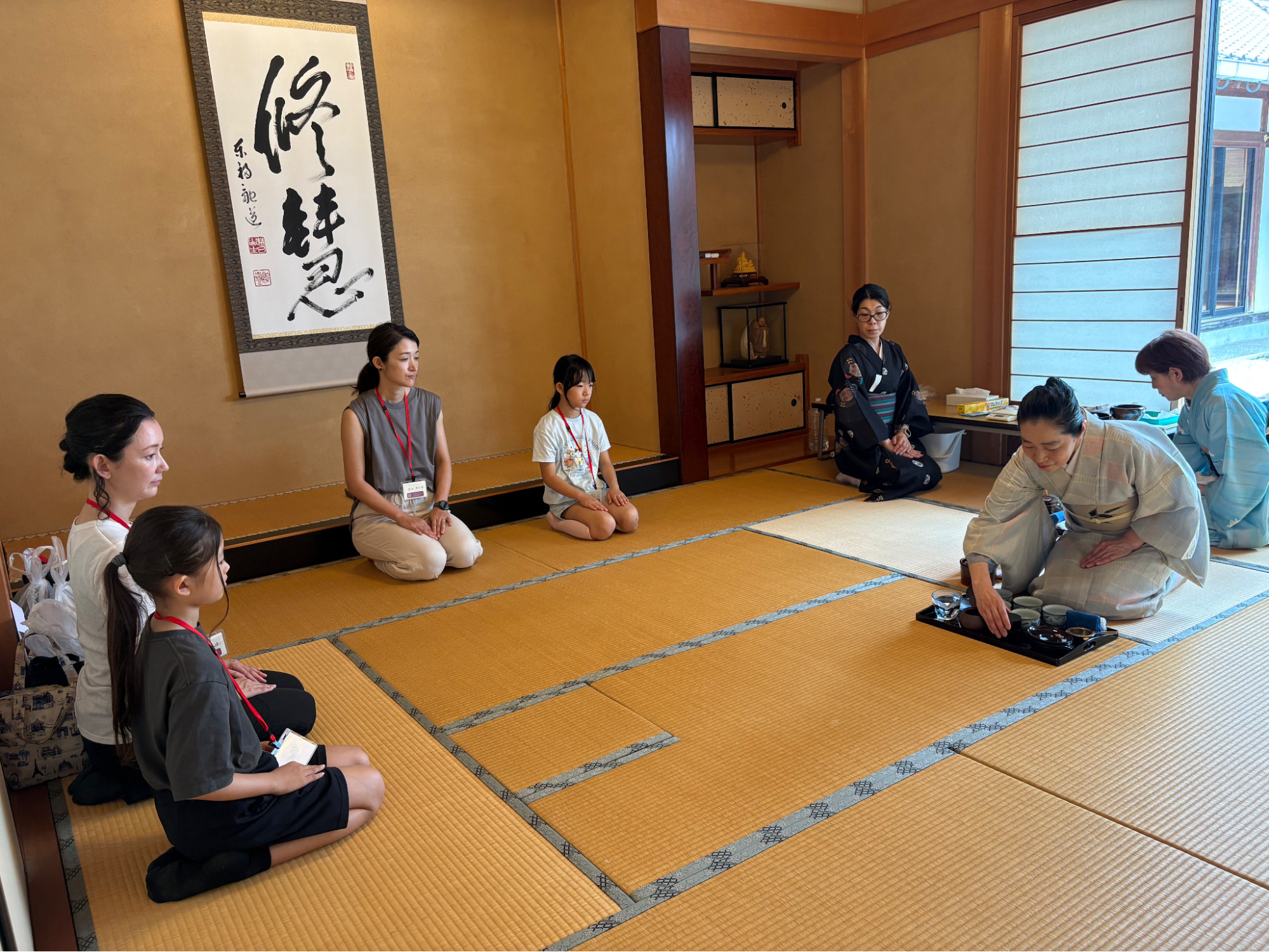
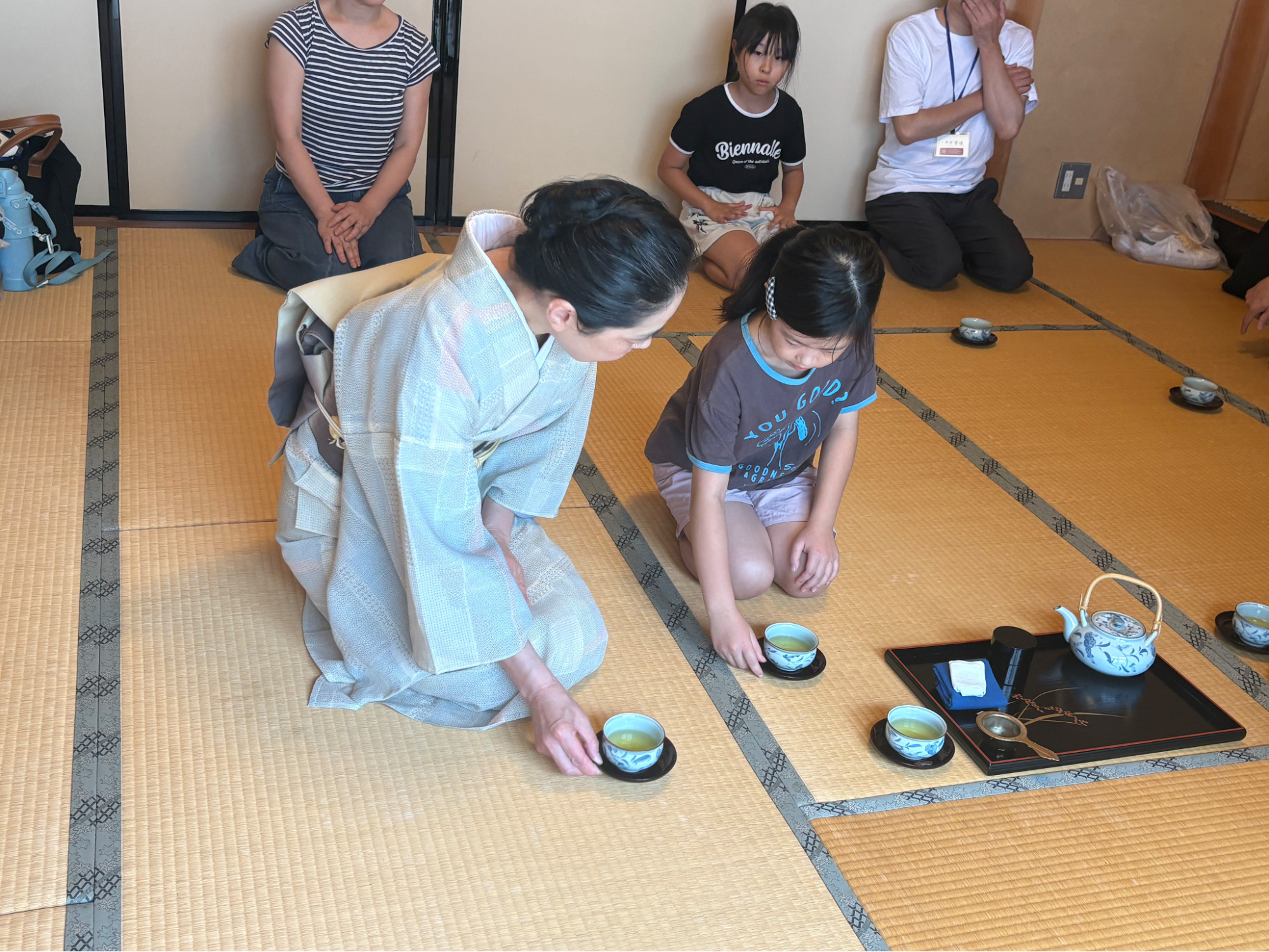
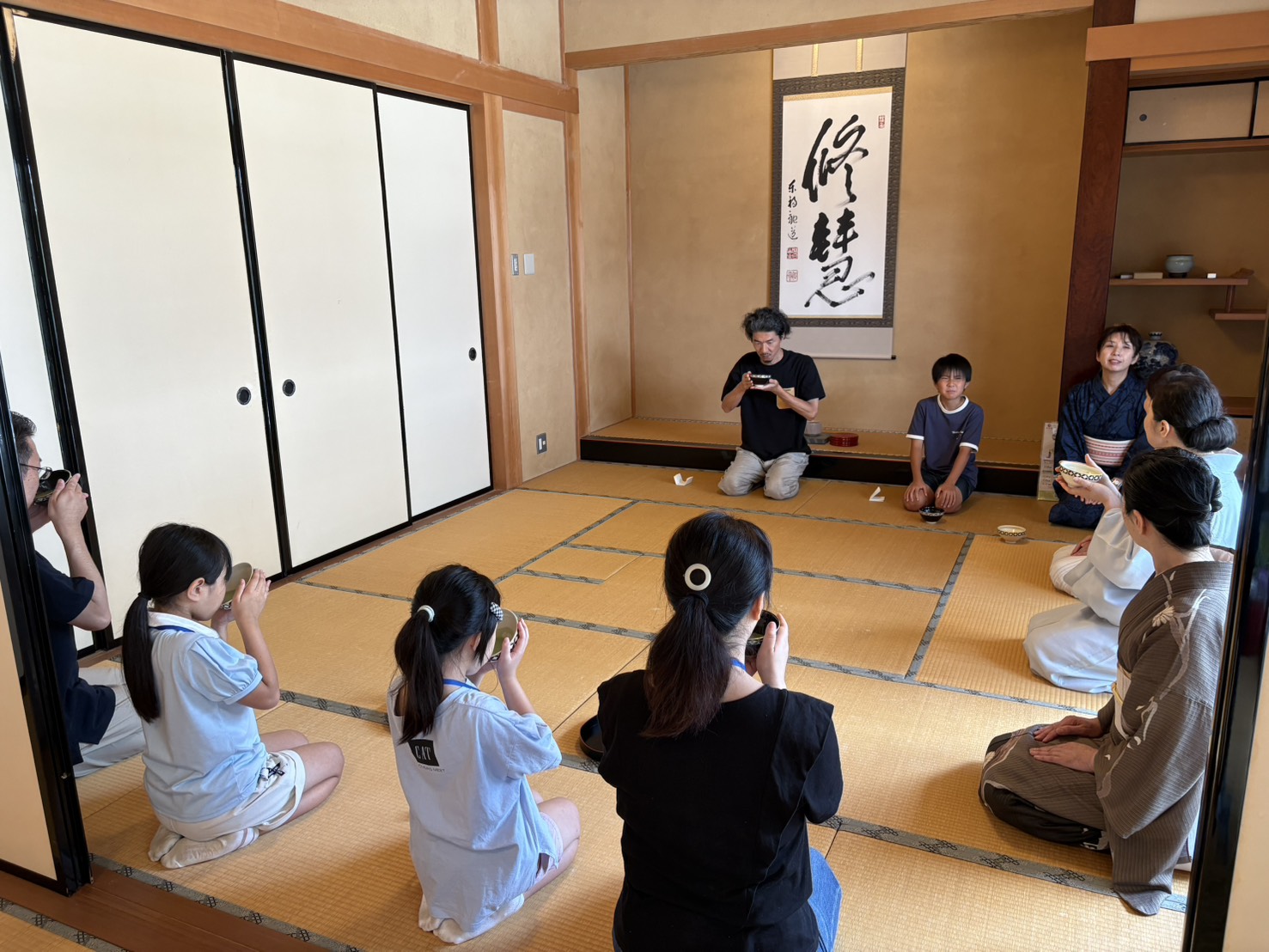
In the tea ceremony, participants learned basic manners, such as how to bow in the tea room, how to walk in a Japanese-style room, and how to receive tea and sweets. In addition to learning how to handle the chashaku and natsume practiced in the first session, from the second session onward they practiced handling tea utensils and deepened their understanding of tea ceremony culture and history, including how to view the tokonoma.
As the culmination of the five-session course, participants learned how to handle tea utensils and how to make and enjoy tea themselves.
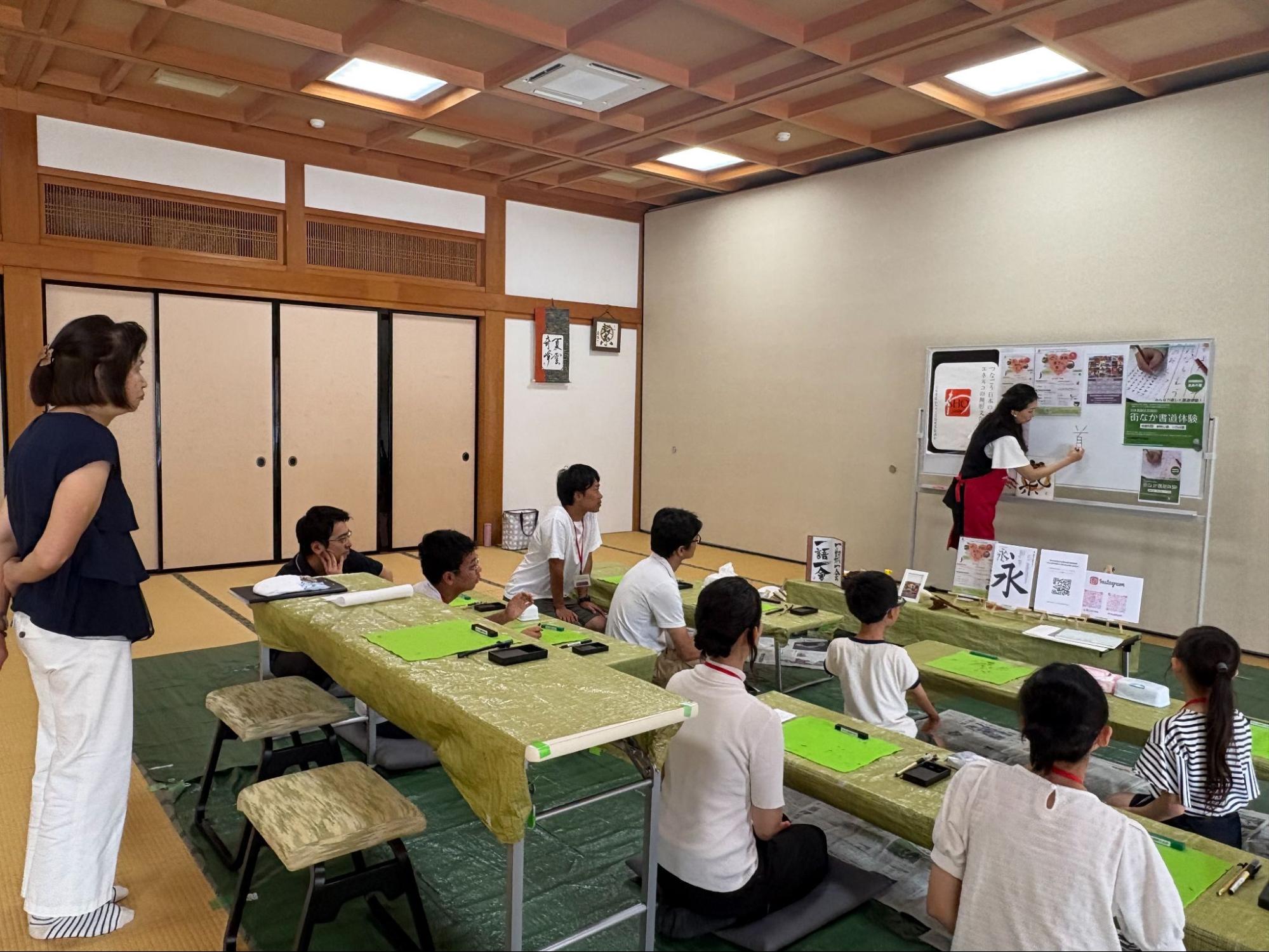
In calligraphy, participants learned about the history and culture of calligraphy and the Four Treasures of the Study. Through discovery, experience, and expression, parents and children took on the challenge of “Kanjiru Ichigo Ichie,” giving visible form to the movements of their mind and body.
Participants experienced a psychological test using the character “心” (kokoro), played a game expressing the shape of “心” through different emotions such as joy, anger, sorrow, and happiness, and learned about the formation of the character “体” (body).
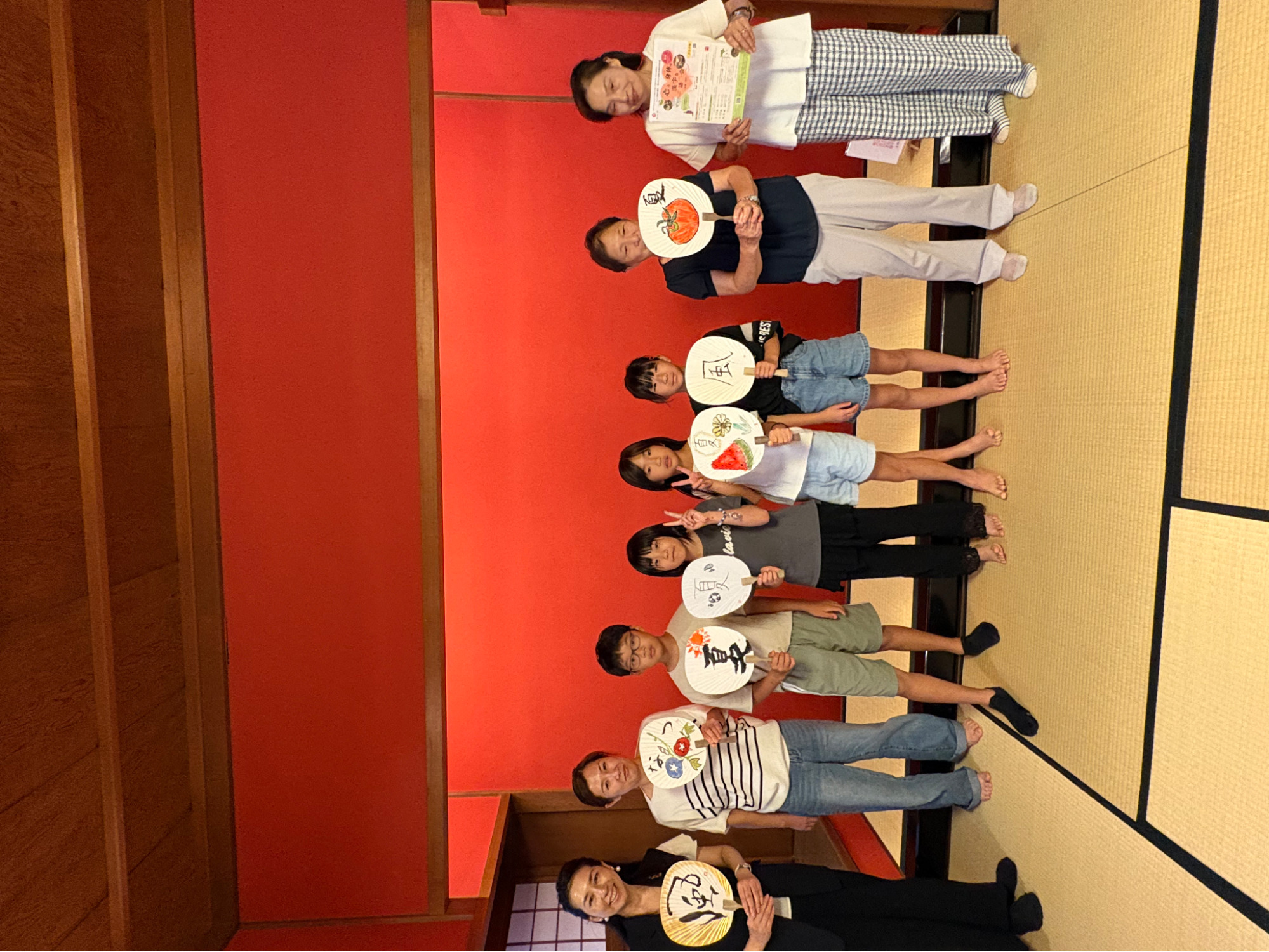
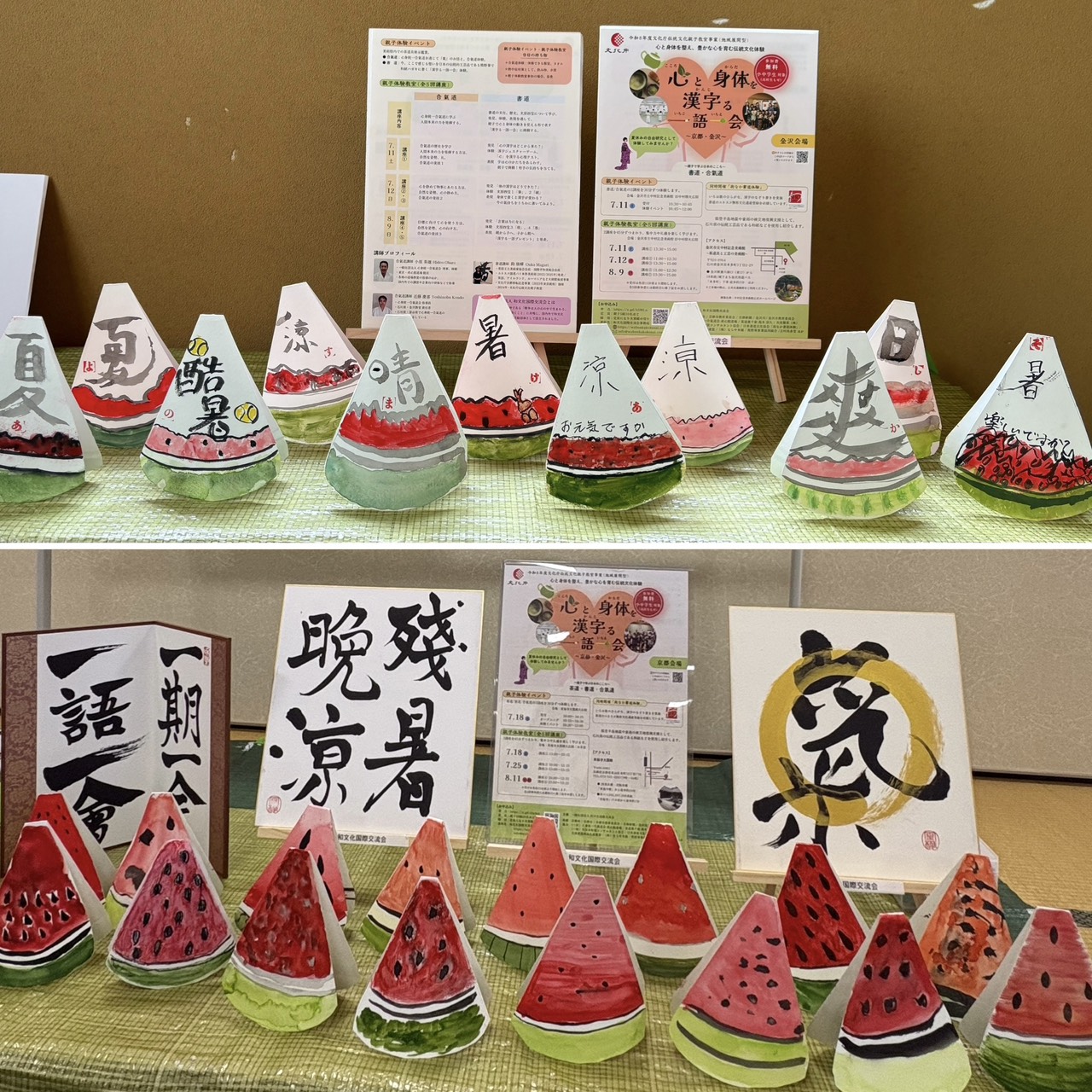
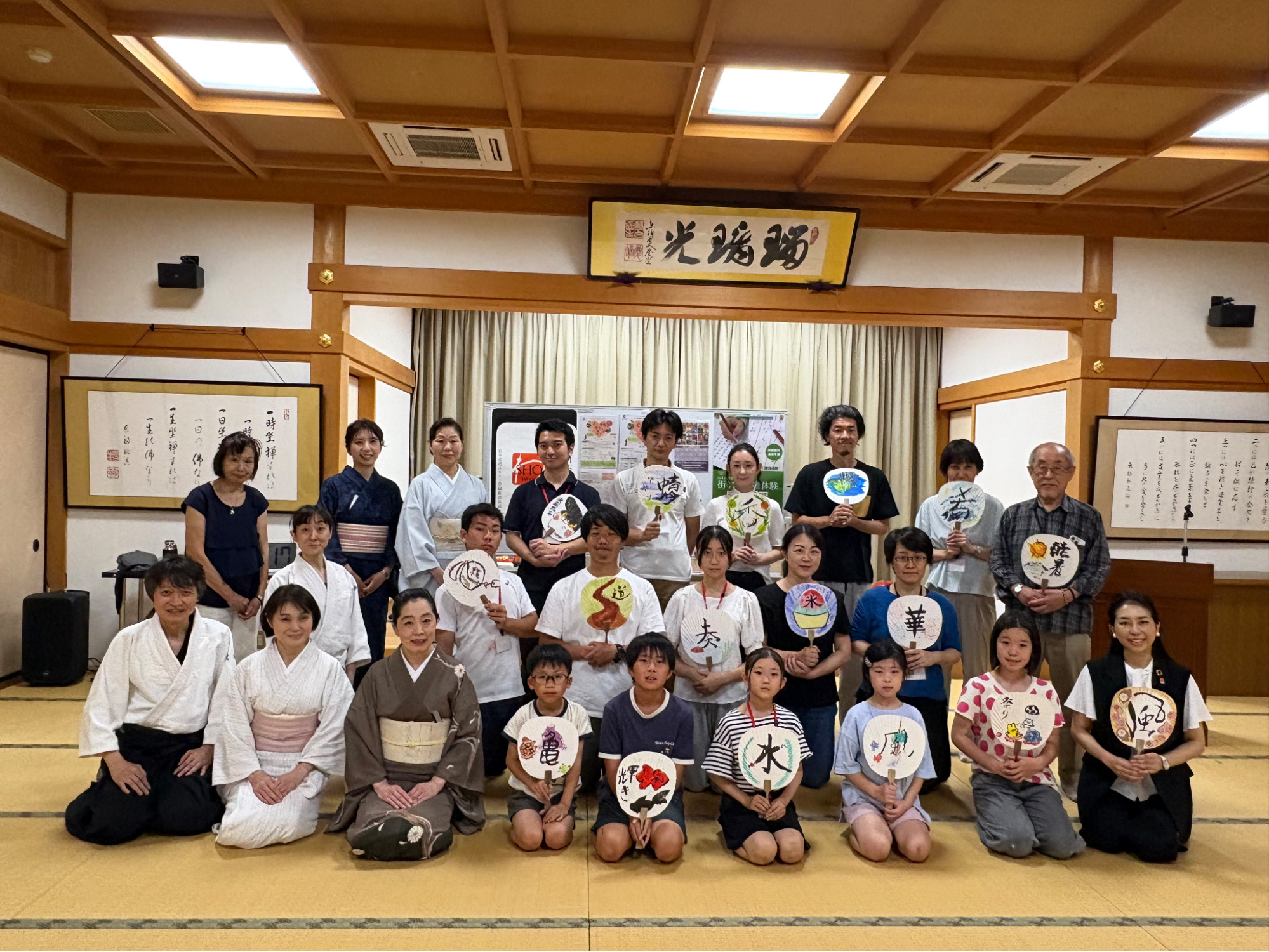
Regarding the Four Treasures of the Study, participants learned about the history and production areas of the four traditional Japanese crafts: 1. brush, 2. paper, 3. inkstone, and 4. ink. They actually touched and compared different types of Kumano brush hair and Japanese washi paper, ground ink on an inkstone, and created uchiwa fans and watermelon message cards while enjoying different shades of ink.
At the final session, parents gave their “Kanjiru Ichigo Ichie” creations to their children, and children gave theirs to their parents, followed by presentations.
The “Calligraphy Experience in the City” was also held at the same time (in cooperation with the Japan Shodo Cultural Association).
Kanazawa Venue
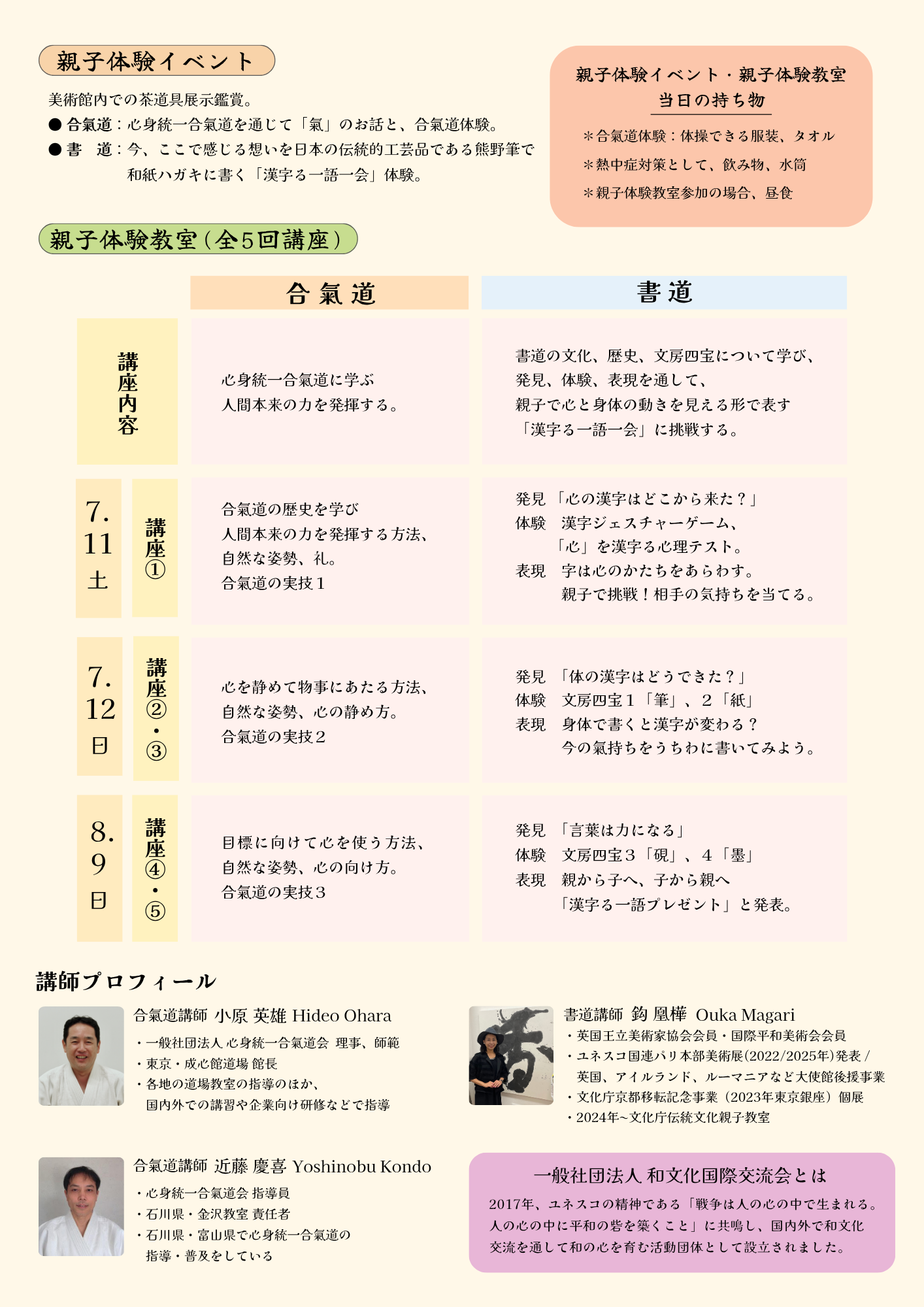
Lecturers
Aikido:Hideo Ohara / Yoshinobu Kondo, and others
Calligraphy: Ouka Magari, and others
The parent-child experience event held on July 11 took place in the grand hall on the second floor of the Former Nakamura Residence at the Kanazawa Nakamura Memorial Museum, a museum of tea ceremony utensils and traditional crafts.
Participants learned about “Ki” (氣) through Shinshin Toitsu Aikido with the Aikido instructors and experienced two 30-minute classes in Aikido and calligraphy.
In Aikido, participants learned about the posture necessary to bring out the natural power of the human body. In calligraphy, they experienced “Kanjiru Ichigo Ichie,” writing what they felt at that very moment and in that very place on a Japanese washi postcard using a Kumano brush, a traditional Japanese craft.
Participants also visited the museum independently, where they could view tea ceremony utensils such as tea scrolls, tea bowls, tea caddies, and kettles, as well as masterpieces of traditional Kanazawa crafts such as Kokutani and Kaga maki-e.
The parent-child experience classroom, consisting of five sessions, was held over three days: July 11, July 12, and August 9. At each session, participants rotated through two 45-minute classes and enjoyed learning concentration and etiquette.
In Aikido, participants learned about its history and practiced how to calm the mind and approach things, as well as how to use the mind toward their goals.
In calligraphy, participants learned about the history and culture of calligraphy and the Four Treasures of the Study. Through discovery, experience, and expression, parents and children took on the challenge of “Kanjiru Ichigo Ichie,” giving visible form to the movements of their mind and body.
Participants experienced a psychological test using the character “心” (kokoro) and quizzes about the formation of kanji characters.
Regarding the Four Treasures of the Study, participants learned about the history and production areas of the four traditional Japanese crafts: 1. brush, 2. paper, 3. inkstone, and 4. ink. They actually touched and compared different types of Kumano brush hair and Japanese washi paper, ground ink on an inkstone, and created uchiwa fans and watermelon message cards while enjoying different shades of ink.
In particular, as part of support for the recovery of areas affected by the Noto Peninsula Earthquake and heavy rains, participants were introduced to Futamata Washi, a traditional washi paper from Kanazawa City, Ishikawa Prefecture.
At the final session, parents gave their “Kanjiru Ichigo Ichie” creations to their children, and children gave theirs to their parents, followed by presentations.
The “Calligraphy Experience in the City” was also held at the same time (in cooperation with the Japan Shodo Cultural Association).
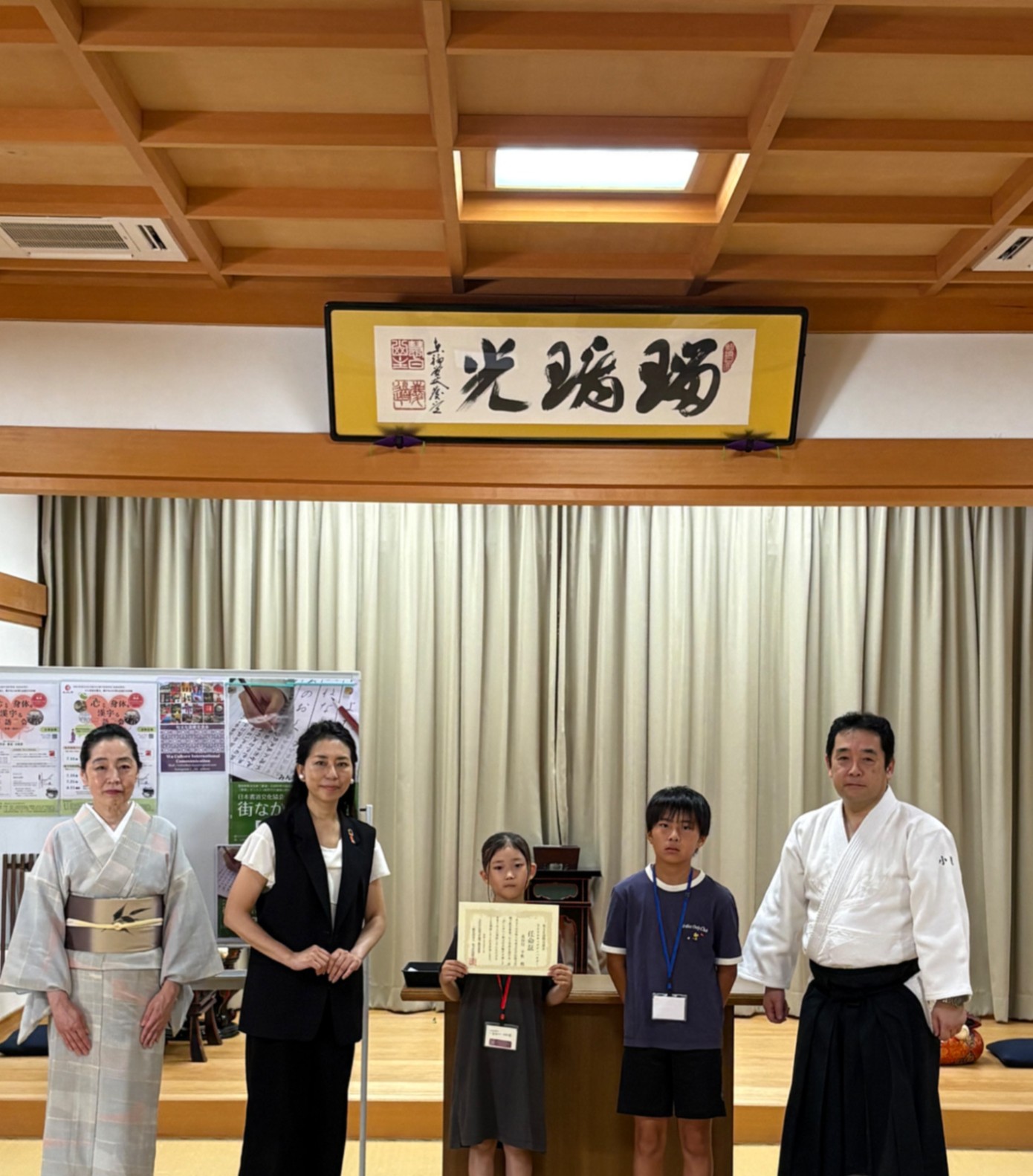
Certificates of completion were presented to all participants who completed all of the classes.
It became a special time for parents and children to experience Japanese traditional culture together, bringing harmony to their mind and body and nurturing rich hearts.
Photos of the event
Click on the image to enlarge
Video of the event
Enjoy this video of the event.